Asbestos Shed & Outbuilding Removal
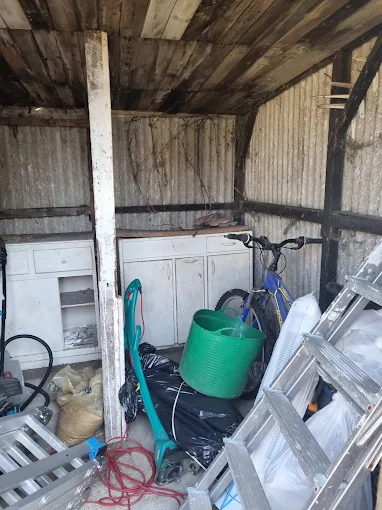
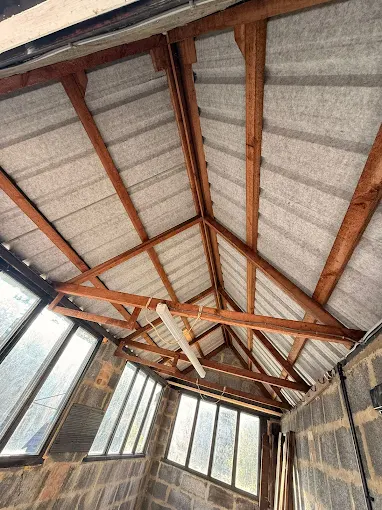
Asbestos sheds, barns, and outbuildings are common on residential and agricultural properties across Surrey and the South East. Whether it is a small garden shed or a large agricultural barn, our team carries out safe, compliant dismantling and removal with full disposal documentation.
The Risk You Can't See
Asbestos cement, commonly found in older shed roofs and panels, is a brittle material that deteriorates over time due to weathering, impact, and general wear. As the cement matrix breaks down, microscopic asbestos fibres are released into the surrounding air. These fibres are invisible to the naked eye and can remain suspended for extended periods, posing a significant inhalation hazard.
Inhaling asbestos fibres can lead to severe and often fatal respiratory diseases, including mesothelioma, asbestosis, and lung cancer, which typically manifest decades after exposure. Furthermore, the presence of deteriorating asbestos on your property can significantly reduce its value and complicate future sale or renovation plans, incurring unexpected financial burdens.
Under the Control of Asbestos Regulations 2012 (CAR 2012) Regulation 4, duty holders are legally obliged to manage asbestos in non-domestic premises, and while domestic properties are exempt from this specific regulation, the overarching health and safety principles apply. Homeowners have a moral and common law duty of care to prevent harm to themselves and others from asbestos on their property.
How Asbestos Cement Degrades and Why Fibre Release Accelerates
Asbestos cement products, such as corrugated sheets and flat panels, typically contain chrysotile (white asbestos) and sometimes amosite (brown asbestos) fibres embedded within a cement matrix. Over decades, exposure to rain, frost, UV radiation, and physical disturbance causes the cement to erode and become friable. This degradation process loosens the asbestos fibres, making them highly susceptible to release into the atmosphere with minimal agitation.
The primary risk pathway is inhalation of these airborne fibres. Once inhaled, the sharp, durable fibres can become lodged in the lungs and pleura, leading to cellular damage and inflammation that can progress to serious diseases. The Workplace Exposure Limit (WEL) for asbestos fibres, as defined in HSE document EH40, is 0.1 fibres per cubic centimetre (f/cm³) averaged over a 4-hour period, highlighting the extremely low threshold for safe exposure.
Even seemingly intact asbestos cement can pose a risk. Impact from falling objects, drilling, cutting, or even vigorous cleaning can cause significant fibre release. The long latency period of asbestos-related diseases means that exposures occurring today could lead to illness many years in the future, underscoring the importance of professional, controlled removal to prevent future health consequences.
5,000 workers die each year from asbestos-related diseases — more than any other single work-related cause.
A Complete, Compliant Service
Get Your Free Quote Today
Free site assessment for a no-obligation quotation.
How We Work
Survey
We assess the structure and confirm asbestos content before providing a written quote.
Preparation
The area is secured and signage erected. Full PPE is worn throughout.
Dismantling
The structure is carefully dismantled, with asbestos materials wetted and bagged as work progresses.
Disposal
Waste is transported to a licensed facility and a consignment note is issued.
When You Need to Act
Visible damage or cracks in shed materials
Act NowRisk of immediate fibre release and significant health implications for occupants and neighbours.
Planning renovations or demolition of the shed
This WeekFailure to identify and safely remove asbestos will lead to costly delays, legal penalties, and widespread contamination.
Shed built before 2000 with suspect materials
This MonthPostponing inspection risks ongoing, undetected fibre exposure and a decrease in property value due to unaddressed hazards.
General deterioration of an older outbuilding
Plan AheadDelaying professional assessment allows the material to degrade further, increasing future removal costs and health risks.
The Most Expensive Mistake We See
The most expensive mistake in asbestos shed removal is attempting a DIY demolition without proper training or equipment. This inevitably leads to uncontrolled fibre release, contaminating your property and potentially your neighbours\' properties, incurring significant remediation costs and potential legal action.
Why Pro Asbestos Removal
For shed and outbuilding removal, we prioritise meticulous planning and containment. Our approach focuses on minimising fibre disturbance during dismantling, ensuring every piece of asbestos cement is safely bagged and transported, preventing widespread contamination that often occurs with less experienced contractors.
From Our Recent Work
Common Questions
Does my shed contain asbestos?
Any shed built before 2000 using corrugated grey sheeting, flat cement boards, or similar materials may contain asbestos cement. If you are unsure, we can take a sample for laboratory analysis.
Can I remove an asbestos shed myself?
No. Asbestos cement must be handled by trained operatives, and asbestos waste cannot be disposed of at a standard household waste facility.
Further Reading
What to Expect on Asbestos Removal Day
A step-by-step walkthrough of what happens on the day of your asbestos removal.
Your Asbestos Waste Paperwork: Consignment Notes & WTNs
Understanding the waste transfer paperwork you receive after removal.
After Removal: Reoccupation & Is the Dust Normal?
What to expect after your asbestos is removed and when it is safe to return.
Air Clearance & the 4-Stage Clearance Certificate
How the 4-stage clearance procedure works and what your certificate means.
Ready to Get This Sorted?
Free site assessment for a no-obligation quotation.
Pro Asbestos Removal · Surrey, London & South East · Mon–Sat 7am–6pm
Areas We Cover
- Croydon — We offer asbestos removal services in Croydon
- Surrey — We offer asbestos removal services across Surrey
- Guildford — We offer asbestos removal services in Guildford
- South London — We offer asbestos removal services across South London
- London — We offer asbestos removal services across London
- Woking — We offer asbestos removal services in Woking
- Banstead — We offer asbestos removal services in Banstead
- Sutton — We offer asbestos removal services in Sutton
- Bromley — We offer asbestos removal services in Bromley
- Epsom — We offer asbestos removal services in Epsom
- Reigate — We offer asbestos removal services in Reigate
- Redhill — We offer asbestos removal services in Redhill